Reviewing the Gastrostomy Tube Line Art Design
As a designer who has spent countless hours digitizing and testing machine embroidery design files, I have learned that simplicity is often the hardest thing to get right. When I first pulled up the Gastrostomy Tube, Line Art file, my initial reaction was one of cautious optimism. In the world of medical awareness and specialized support communities, clarity is paramount. This isn’t just about aesthetics; it is about representation. The design promises a clean, minimalist approach, which is exactly what modern crafters and small business owners are looking for when creating meaningful, personalized items.
First Impressions and Visual Personality
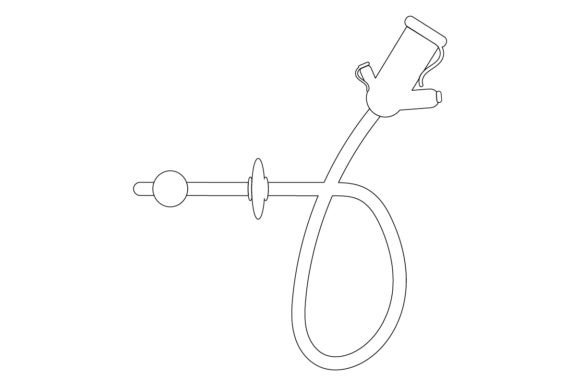
The immediate mood this design creates is one of quiet dignity. Unlike complex illustrative pieces that rely on heavy fill stitch work or dense shading, this line art relies on precision. The layout is uncluttered, focusing entirely on the recognizable shape of the tube without unnecessary decorative flourishes. For an embroidery project intended to raise awareness or provide comfort to families navigating medical challenges, this restraint is a strength. It feels professional rather than cartoonish.
When evaluating any embroidery file, I look at how the lines translate to thread. Thin lines can disappear on textured fabrics, while overly thick lines can look blocky. This design strikes a balance that suggests it will perform well with a standard running stitch or a very narrow satin stitch, depending on the digitizer’s intent. The visual personality is modern and understated, making it suitable for a wide range of products beyond just traditional medical gear.
Real-World Application: The Tote Bag Test
To truly understand the value of a design, you have to imagine it stitched out. I recently worked on a custom order for a local support group that needed durable, everyday items for their fundraising event. I envisioned using this Gastrostomy Tube, Line Art on a heavy canvas tote bag. Canvas is unforgiving; if a design is too delicate, it gets lost in the weave. If it is too dense, it puckers the fabric.
In this scenario, the line art approach shines. Because it lacks heavy saturation, it minimizes the risk of distortion on the sturdy cotton blend. The result would be a crisp, legible icon that stands out against the natural beige or deep navy of the bag. It transforms a simple handmade product into a statement piece. Customers browsing an Etsy seller’s shop are more likely to engage with a design that looks intentional and high-quality, rather than something that appears cluttered or amateurish. This design supports that level of professionalism.
Versatility Across Product Lines
Beyond tote bags, this design has significant potential in custom apparel. Imagine it embroidered on the left chest of a soft fleece sweatshirt. The contrast of the thread against the plush fabric creates a tactile experience that buyers love. It also works exceptionally well for baby embroidery projects, such as onesies or burp cloths, where softness and low profile are critical. A bulky design can irritate sensitive skin, but a streamlined line art piece remains flat and comfortable.
For those running a craft business, versatility is key to inventory management. This single design could be adapted for:
- Embroidered patches for jackets or backpacks, offering a removable way to show support.
- Kitchen towels or aprons for healthcare workers who want subtle recognition of their specialty.
- Holiday gifts that are thoughtful and specific to a recipient’s journey.
- Nursery decor, such as pillow covers, where a gentle aesthetic is preferred.
Technical Considerations and Fabric Choices
While the design is robust, it is not without its technical demands. As an experienced reviewer, I must point out where caution is needed. Because this is line art, the integrity of the stitch path is everything. If you are working with stretchy fabric like jersey knits, proper stabilization is non-negotiable. Without a cut-away stabilizer, the lines may warp after washing, breaking the visual continuity of the tube shape.
Similarly, when working on dark fabric, thread color contrast becomes the most important variable. A dark grey thread on a black shirt will render the design invisible. I recommend testing high-contrast combinations, such as white or bright yellow thread on navy or black backgrounds. Always check your thread colors against the fabric before committing to a full production run. For those creating printable mockups or digital previews, ensure you simulate this contrast accurately to manage customer expectations.
Another area to watch is hoop size. While the design is likely scalable, shrinking it too much for a tiny hoop, such as on a baby hat, might cause the lines to merge or become indistinct. Always review the minimum recommended size provided with the digital embroidery file. If specific stitch counts or minimum dimensions are not listed in the product description, it is wise to stitch a test sample on scrap fabric first.
Enhancing Brand Value and Trust
For small shop product creators, the quality of your design assets directly impacts buyer trust. A clean, well-digitized image signals that you care about the finished product. When customers see a crisp Gastrostomy Tube, Line Art on a finished product, they perceive higher value. It suggests that the item was made with attention to detail, which is crucial for personalized gift markets where emotional connection drives sales.
This design also aids in brand consistency. If your shop focuses on medical awareness or supportive community goods, having a cohesive library of simple, elegant icons helps build a recognizable visual identity. It allows you to create a series of products that feel related, encouraging customers to buy multiple items.
Practical Designer Notes
Before you launch this design in your commercial embroidery lineup, consider these practical steps:
- Test on Scrap Fabric: Never skip this step. Check for thread breaks or nesting in tight corners.
- Check File Formats: You will receive this design in SVG, Transparent PNG, EPS, and DXF formats. Ensure your software or cutting machine can read the specific format you intend to use. Note that SVG and DXF are typically for cutting or vector editing, while embroidery machines require specific stitch files (like PES or DST) which may need to be generated from these vectors if not explicitly provided.
- Review Licensing: Since this is listed under Freebies and Crafts, confirm whether the license allows for commercial sale of finished physical items. Most free designs allow personal use, but commercial rights vary.
- Stabilizer Selection: Use a stabilizer that matches your fabric weight. For light fabrics, a tear-away might suffice, but for stretchy materials, stick with cut-away.
- Mockup Testing: Create black and white mockups to ensure the shape is recognizable even without color cues.
In conclusion, the Gastrostomy Tube, Line Art is a thoughtful addition to any designer’s library. It respects the subject matter while offering the technical flexibility needed for diverse embroidery projects. Whether you are an Etsy seller looking to expand your awareness-themed collection or a hobbyist making a personalized gift for a friend, this design offers the clarity and professionalism required for impactful results. Just remember to respect the technical limits of your machine and fabric, and always prioritize a test stitch to ensure perfection.