Review: Nurse Cleaned and Bandaged the Wound Design
As a designer who has spent countless hours digitizing and stitching out embroidery files, I have learned that not every graphic translates well to thread. When I first encountered Nurse Cleaned and Bandaged the Wound, my immediate reaction was one of cautious curiosity. This is not just another generic medical icon; it carries a narrative weight that can be tricky to balance in a stitched format. For those of us running small shops or creating personalized gifts, finding designs that are both meaningful and technically sound is a constant challenge. Here is my honest assessment of how this design performs in real-world applications.
First Impressions and Visual Personality
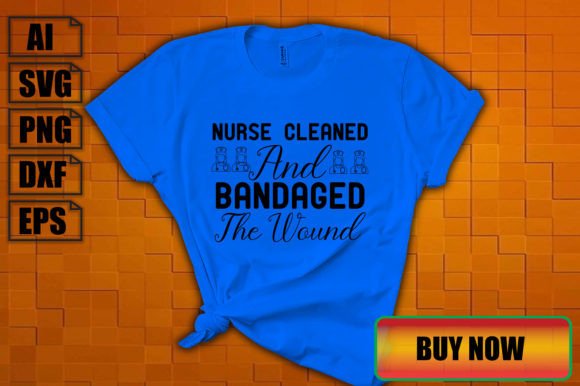
The initial visual impact of Nurse Cleaned and Bandaged the Wound is clean and direct. The layout suggests a focus on care and recovery, which makes it an excellent candidate for projects intended to offer comfort or gratitude. From a design perspective, the lines appear deliberate, avoiding the clutter that often plagues freebie graphics. However, as an experienced reviewer, I look beyond the screen image. I ask myself: will these lines hold up under the tension of a needle? Does the composition allow for proper stitch flow, or will it result in puckering?
The mood created by this graphic is professional yet gentle. It does not scream "hospital" in a sterile, cold way, but rather evokes the human element of nursing. This distinction is crucial for crafters. If you are making a personalized gift for a healthcare worker, the emotional resonance of the design matters as much as its technical execution. The visual personality fits naturally into categories like appreciation gifts, retirement presents for nurses, or even items for nursing students.
Real-World Application Scenarios
To truly evaluate a machine embroidery design, you must imagine it on actual fabric. I visualized this design on a few different products to test its versatility. First, consider a high-quality canvas tote bag design. A tote is a popular item for Etsy sellers because it offers a large, flat surface area. Placing Nurse Cleaned and Bandaged the Wound centrally on a tote allows the details to breathe. The design would likely stand out well against natural cotton or denim, providing a sturdy backdrop for the stitches.
Another strong contender is sweatshirt embroidery. A crewneck sweatshirt in heather grey or navy blue provides a soft, textured canvas. Here, the design serves as a badge of honor for medical professionals. However, working with knit fabrics requires attention to stabilizer choice and stitch density. If the design is too dense, it can make the fabric stiff and uncomfortable. If it is too light, it may get lost in the fleece texture. Based on the graphic nature of this file, it seems suited for a balanced approach, likely utilizing a mix of fill stitch for larger areas and running stitch or satin stitch for outlines.
I also considered smaller items, such as a embroidered patch or a cap. Patches are trending in the craft business world because they are versatile and easy to ship. If this design scales down well, it could become a bestseller for uniform accessories. However, caps present a curved surface challenge. Detailed corners and tiny elements can distort on a curved hoop. You would need to test the scaling carefully to ensure the bandage and nurse elements remain recognizable without merging into a blob of thread.
Technical Considerations for Stitching
One of the most critical aspects of using any digital embroidery file is understanding its source format. The product description for Nurse Cleaned and Bandaged the Wound indicates that you will receive one SVG file and one DXF file. This is important to note. SVG and DXF are vector graphics formats, commonly used for cutting machines like Cricut or Silhouette, and for graphic design software like Adobe Illustrator or Corel Draw. They are not native machine embroidery formats like PES, DST, or JEF.
This means that if you intend to use this for commercial embroidery on a home or industrial machine, you cannot simply load the SVG into your embroidery machine. You must either use software that converts vectors to embroidery stitches or manually digitize the design yourself. For many handmade product creators, this is actually a benefit. It allows you to control the stitch density, underlay, and thread path. You can tailor the embroidery file to your specific machine and fabric combination. However, for beginners, this adds a step. Always check your software compatibility before purchasing or downloading.
If you are using this as a cut file for an applique design, the process is more straightforward. You can cut the shape from felt or fabric and stitch it down. This method reduces bulk and is excellent for baby embroidery where softness is paramount. An applique version of this design on a baby blanket or onesie would be charming and safe, avoiding the scratchiness of dense satin stitches.
Fabric and Color Choices
The success of Nurse Cleaned and Bandaged the Wound heavily depends on your thread colors and fabric texture. For a classic look, white or light blue threads on a dark background create high contrast. This is ideal for visibility and professionalism. However, if you are stitching on light fabric, consider using subtle shades of pink, beige, or soft grey to maintain a gentle aesthetic. Avoid neon colors unless you are aiming for a very specific, modern pop-art vibe, which may not suit the serious nature of the theme.
Be cautious with thin fabric or stretchy materials. Without proper stabilization, the pulling of the thread can distort the image. Always test the design on scrap fabric first. Check how the corners of the bandage or the details of the nurse’s uniform hold up. If you see gaps or puckering, adjust your tension or add a tear-away stabilizer. For holiday embroidery or special occasions, you might experiment with metallic threads for accents, but keep the main structure in standard polyester or rayon for durability.
Commercial Use and Branding
For small shop product owners, consistency is key. Using Nurse Cleaned and Bandaged the Wound as part of a broader collection of medical-themed design assets can help build brand recognition. Whether you are selling custom apparel or printable mockup previews, ensure that the final stitched product matches the quality promised in your listings. High-resolution photos of the finished item are essential for buyer engagement.
Since this is listed under Freebies and Graphics, always verify the license terms. Can you sell the finished physical items? Can you use the digital file in commercial products? Never assume. Clear licensing protects your craft business and ensures you respect the creator’s work. If the license allows commercial use, this design can be a valuable addition to your portfolio, offering a unique angle on healthcare appreciation that goes beyond the typical stethoscope or heart symbol.
Final Verdict
Nurse Cleaned and Bandaged the Wound is a thoughtful design with strong potential for meaningful projects. Its strength lies in its narrative clarity and emotional appeal. However, its utility depends on your technical skills. If you are comfortable converting vector files to embroidery stitches or using them for applique, this graphic offers great flexibility. It works best on medium-to-heavy weight fabrics like tote bags, sweatshirts, and patches. Be mindful of scaling on small hoops and always prioritize proper stabilization.
For makers and creative entrepreneurs, this design represents an opportunity to create something heartfelt and professional. Whether you are crafting a gift for a favorite nurse or expanding your Etsy seller inventory, take the time to test and refine the stitching. The result can be a high-value finished product that resonates with customers and honors the caregiving profession with dignity and style.